
Category: Uncategorized
‘Album’ at the Holden Gallery Café, Manchester School of Art February 2015.

‘Hankering for Classification’ at Toast, Federation House, Manchester.

Head to Head

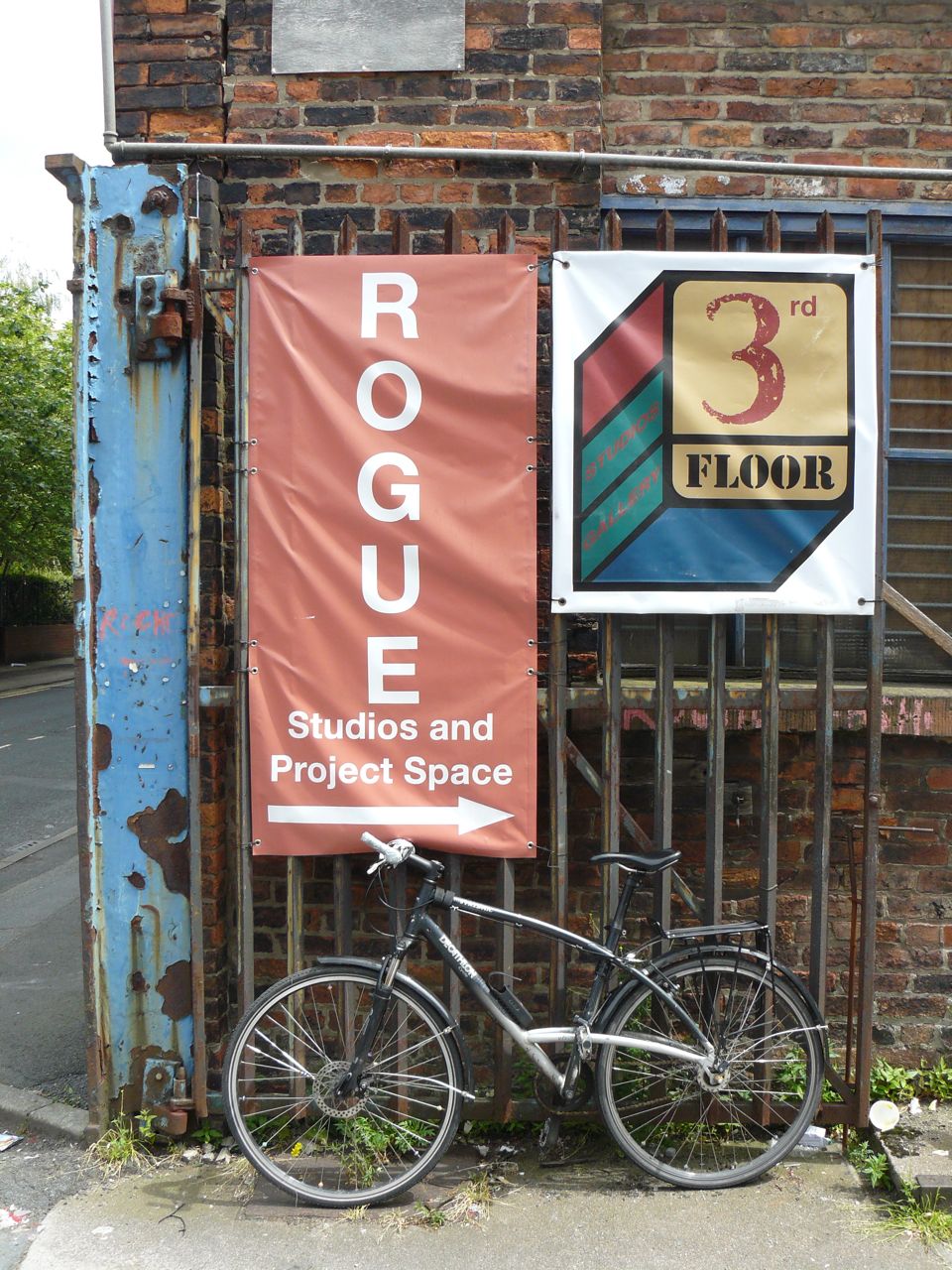
I’m looking forward to taking part in the closing panel discussion for this terrific show that started its tour at the Rogue Project Space and inspired some fascinating debate around contemporary painting. Thanks to Nicholas Jones and Ivan Liotchev for inviting me!
Support axisweb, the UK’s leading online directory of artists!
http://www.axisweb.org/
Nearly 2,000 UK and international artists have profiles on axisweb, a curated online directory that supports, promotes and creates opportunities for artists. Visit the site and browse the work of contemporary artists working across all media and disciplines.

Looking North: The Arts Ecology in Manchester
An article about the state of the arts ecology in Manchester published at MIRIADonline.
http://news.miriadonline.info/looking-north-the-arts-ecology-in-manchester/
Artists Call for More Support from Public Funded Galleries!
An article from the Artists Newsletter website about the Open Letter to Manchester Curators which has been signed by 90 artists based in the city.
Let’s Fight for Regional Artists Everywhere!
 After Maximo Caminero, an artist from Florida, deliberately smashed a vase that was part of an installation by Ai Weiwei at the Pérez Art Museum in Miami, he made the following statement to the Miami New Times:
“I did it for all the local artists in Miami that have never been shown in museums here. They have spent so many millions now on international artists. It’s the same political situation over and over again. I’ve been here for 30 years and it’s always the same.”
The same situation afflicts artists in the UK. Greater Manchester is known all over the world for football and music. It also has one of the most vital and diverse visual arts scenes in the UK, and yet very few artists who live and work in the area have received any significant exposure in our major public-funded venues or the Manchester International Festival. Nobody is to blame for this, we simply need curators to have more confidence and pride in North West artists.
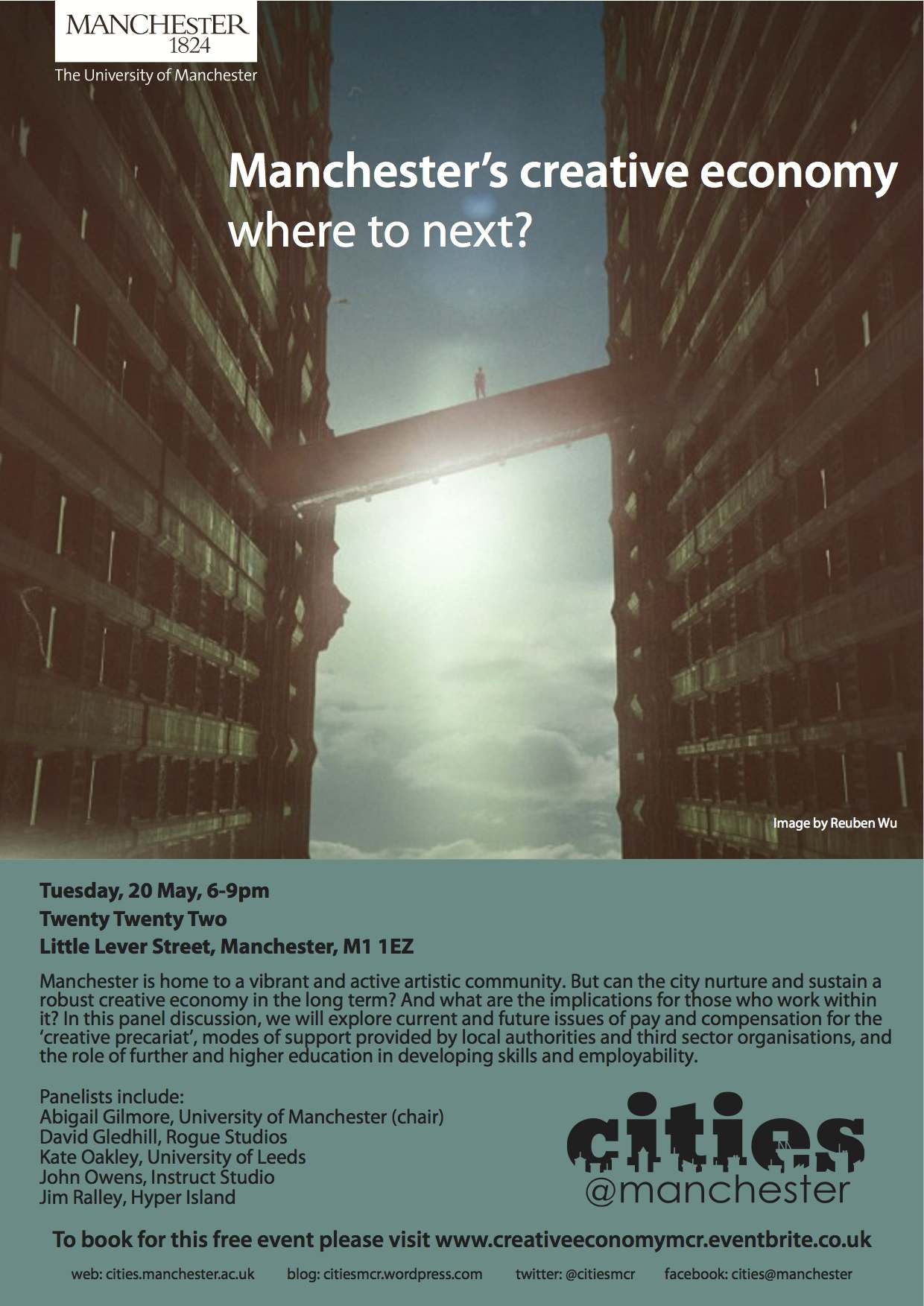
Come along to the next meeting of Manchester University’s Urban Forum. The theme is Manchester’s creative economy. I’ll be raising issues relating to the severe blockage in the arts ecology of the region. At a time when per capita Arts Council spending in London is 15 times higher than the than the rest of the UK, our major galleries persist in spending most of their meager share of the cash on promoting London based or ‘international’ artists.
We need to fight for exposure for Greater Manchester artists and for regional artists all over the world!
Tuesday May 20th 6-9pm at Twenty Twenty Two in Little Lever Street off Stephenson Square in Manchester, England.
Urban Forum Meeting May 20th 2014
Manchester’s Creative Economy: Where to Next?
‘Art Turning Left: How Values Changed Making 1789 – 2013’ at Tate Liverpool
This is a well curated overview of innovation in the production and distribution of politicised art since the French revolution with the emphasis on post-war European collectives and community arts groups. There are some surprising omissions though, such as kennardphillipps, Trust your Struggle, The Yes Men (and others) and very few paintings. A studio copy of David’s ‘Death of Marat’ stands out for the warmth of its colour harmonies and the sensuous immediacy of the paint handling, but it’s more or less alone in this context.
It shouldn’t surprise me that our state cultural institutions seem to find the idea of a revolution in artistic means more fascinating than the political content of the work, and the issues addressed in this exhibition jostle each other like shouters at a public meeting. It’s debatable whether we need another small display of Bauhaus artifacts and designs at the expense of say some of the agitprop material produced during the Thatcher years or anything at all about current cuts and conflicts. I guess that’s what happens when fear of upsetting the vested interests of the patrons leads to curatorial self-censorship. Or maybe they just didn’t want it to be too relevant.
So this is a survey that emerges from Walter Benjamin’s side of the debate as eloquently stated in ‘The Author as Producer’, as opposed to Georg Lukacs’ strategy of infusing the traditional forms of art with revolutionary content. Speaking as a painter, I’d like to have seen some socialist realism, whether Soviet, American or East European and not because I want to live in a Stalinist nightmare, but because I think most people who look at art have probably had a go at making a painting, enjoy looking at them, and can ‘read’ them and make their own minds up. The problem with identifying artistic radicalism with a radicalisation of the means of production is that you lose most of the audience along the way. Relational aesthetics (or audience participation to you and me) is no substitute for content driven work that people want to look at.
Nevertheless, this is an challenging show that reminds you how many artists manage to keep politics out of their work altogether and why so much contemporary art seems so vapid as a result.
‘Hugo Beiswenger Alleged Commie’
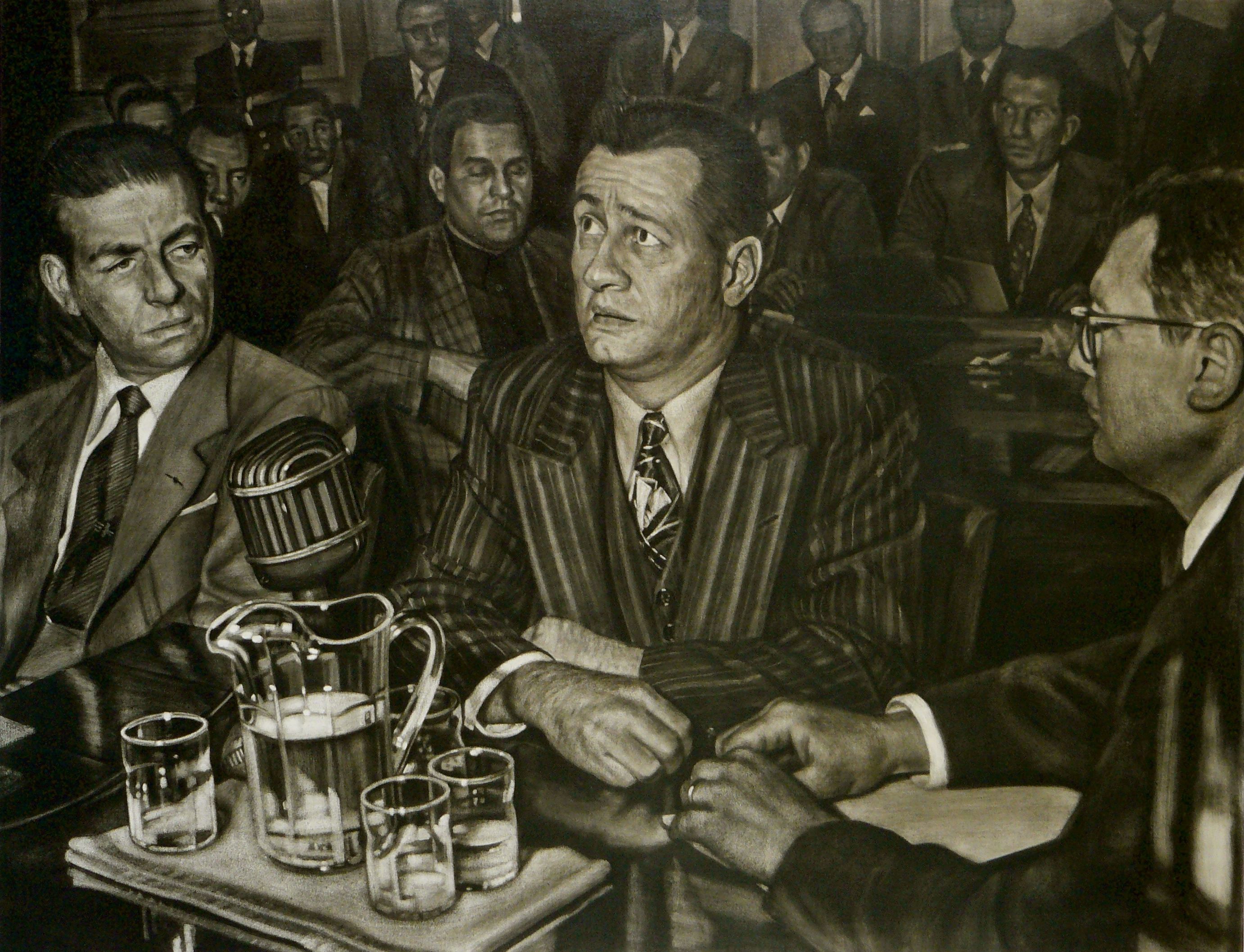
The titles of paintings in the ‘American Freedom’ series are taken from inscriptions on the backs of the original photographs.
 David Gledhill Painting History